Back to Blog
Hormones6 min read
Why Your Hair Changes During Menopause
52% of postmenopausal women experience hair thinning. Here's the science behind what's happening—and why it's not your fault.
If your hair has been changing—thinning, shedding, losing its texture, feeling dry and lifeless—and you're somewhere between 40 and 60, you're not imagining things. And you're definitely not alone.
52% of postmenopausal women experience noticeable hair thinning. That's more than half. Yet most women are told "it's just aging" or "there's nothing you can do." Neither of those things is true.
The Hormonal Cascade
Here's what's actually happening. During perimenopause and menopause, three key hormones shift dramatically:
- Estrogen drops. Estrogen is protective for hair—it keeps strands in the growth phase longer and supports scalp moisture. When it declines, hair spends less time growing and more time resting and shedding.
- Progesterone declines. This hormone helps counterbalance androgens (male hormones). Without it, androgens have more influence on your follicles.
- Testosterone (relatively) increases. Even though testosterone doesn't actually go up, the ratio shifts. With less estrogen and progesterone to balance it, testosterone's byproduct—DHT (dihydrotestosterone)—starts to miniaturize hair follicles. This is the same mechanism behind male pattern baldness, but in women it typically shows as diffuse thinning across the top and crown.
Here's what's actually happening. During perimenopause and menopause, three key hormones shift dramatically:
- Estrogen drops. Estrogen is protective for hair—it keeps strands in the growth phase longer and supports scalp moisture. When it declines, hair spends less time growing and more time resting and shedding.
- Progesterone declines. This hormone helps counterbalance androgens (male hormones). Without it, androgens have more influence on your follicles.
- Testosterone (relatively) increases. Even though testosterone doesn't actually go up, the ratio shifts. With less estrogen and progesterone to balance it, testosterone's byproduct—DHT (dihydrotestosterone)—starts to miniaturize hair follicles. This is the same mechanism behind male pattern baldness, but in women it typically shows as diffuse thinning across the top and crown.
What You Might Notice
- More hair in the drain or on your brush
- A wider part line
- Less volume, especially at the crown
- Hair that won't hold style the way it used to
- Dry, brittle texture
- Slower growth
- Scalp tenderness or itching
- More hair in the drain or on your brush
- A wider part line
- Less volume, especially at the crown
- Hair that won't hold style the way it used to
- Dry, brittle texture
- Slower growth
- Scalp tenderness or itching
Why Your Regular Stylist Can't Help
This isn't a styling problem. It's not a product problem. It's a clinical and hormonal problem. Most stylists—even great ones—aren't trained to diagnose or treat hair loss. They see the symptom (thin hair) but can't address the cause (hormonal disruption, scalp inflammation, nutrient deficiency).
That's not a criticism of stylists. It's a gap in the system. Cosmetology training covers cutting, coloring, and styling. Trichology training covers the science of hair and scalp disorders. They're different disciplines.
This isn't a styling problem. It's not a product problem. It's a clinical and hormonal problem. Most stylists—even great ones—aren't trained to diagnose or treat hair loss. They see the symptom (thin hair) but can't address the cause (hormonal disruption, scalp inflammation, nutrient deficiency).
That's not a criticism of stylists. It's a gap in the system. Cosmetology training covers cutting, coloring, and styling. Trichology training covers the science of hair and scalp disorders. They're different disciplines.
What Can Actually Help
The good news: this isn't inevitable decline. With the right approach, you can support your hair through this transition:
1. Clinical scalp analysis to understand exactly what's happening at the follicle level
2. Targeted treatments based on your specific type of thinning
3. Nutritional support guided by blood work (iron, ferritin, vitamin D, thyroid, and hormonal panels)
4. Scalp therapies including low-level light therapy and clinical-grade serums
5. Hormone-aware coaching to help you navigate the full picture—not just the hair piece
The good news: this isn't inevitable decline. With the right approach, you can support your hair through this transition:
1. Clinical scalp analysis to understand exactly what's happening at the follicle level
2. Targeted treatments based on your specific type of thinning
3. Nutritional support guided by blood work (iron, ferritin, vitamin D, thyroid, and hormonal panels)
4. Scalp therapies including low-level light therapy and clinical-grade serums
5. Hormone-aware coaching to help you navigate the full picture—not just the hair piece
You didn't do anything wrong. Your body is doing exactly what it's programmed to do. But that doesn't mean you have to accept the outcome without a fight.
The Second Spring exists for exactly this reason—to bridge the gap between the salon, the doctor's office, and the real-life woman sitting in the chair wondering what happened to her hair.
The Second Spring exists for exactly this reason—to bridge the gap between the salon, the doctor's office, and the real-life woman sitting in the chair wondering what happened to her hair.
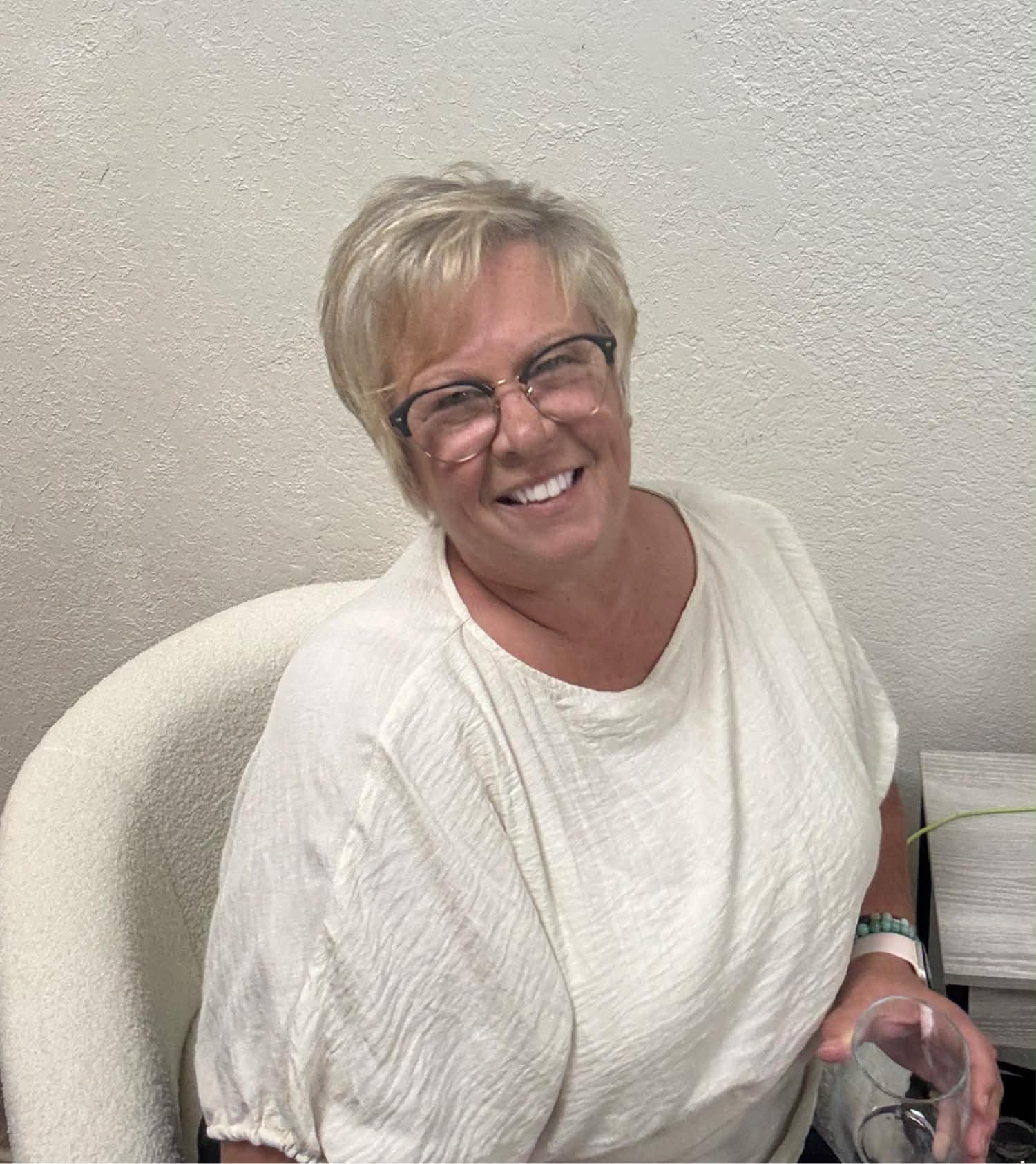
Written by Kerri
Board Certified Trichologist, Menopause Coach, and 30+ year licensed cosmetologist. Founder of The Second Spring Hormone & Scalp Studio in Kearney, MO.
Ready for personalized answers?
Book Your Blueprint Consultation — $149